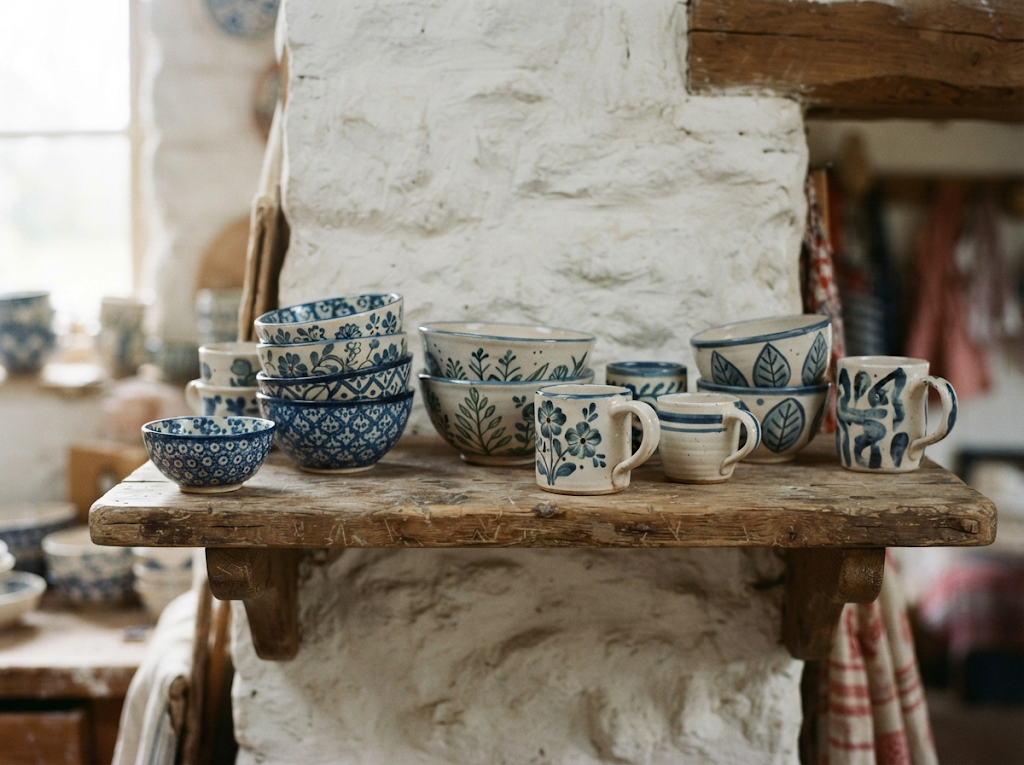
In the small town of Boleslawiec in south western Poland, potters have stamped cups, bowls and teapots with blue patterns for more than five centuries, and the sponge printed ceramics from the region are now a familiar sight in kitchens across Europe and North America. Workshops that began as family studios now ship orders to customers in the United States, Britain and Japan. A handmade bowl is judged by the touch of the hand, but an online order is judged by the clarity of the page, so the words around the pottery must be as carefully made as the pottery itself. This article explains how Polish ceramic makers can prepare English product pages, care instructions and trade documents that match the quality of their craft.
Why Care Instructions Come First
The most common complaint about hand painted ceramics is not about the look but about use. Customers want to know if a piece can go in the dishwasher, the microwave or the oven. Write the answers in the first lines of the description, with simple words and a clear yes or no. Mention the maximum temperature, the type of glaze and any limits for acidic food. Specific facts prevent returns, and they protect the maker from claims.
Naming Patterns and Shapes
Polish pottery patterns have names that are often poetic or local, such as peacock eye, daisy or cobalt flower. Keep a small catalogue that lists the Polish name, the English name and a photograph. If a name has no English equivalent, use a short description and keep the original in brackets. Shapes also need consistent names: bowl, deep dish, serving platter, mug, baking dish. A buyer who compares several shops should see the same vocabulary across your pages.
Working with a Professional Linguist
Workshops tend to start with small texts and slowly add pages, labels and contracts. At that stage it pays to rely on a provider of professional polish translation, who can keep the style steady between your website, your brochure and your invoices. Give them photos of the products and a glossary of craft terms, because words for firing, glazing and stamping are rarely found in general dictionaries. Ask them to flag anything in the Polish original that may sound unclear to a foreign reader.
Sizes, Weights and Shipping Details
International buyers use inches and ounces as often as centimetres and grams. List both in a small table and state the weight of each piece, since heavy items cost more to ship. Describe the packaging in plain words and explain how pieces are protected. If a set is shipped in several boxes, say so. For orders that cross borders, add a short note about customs fees and delivery times for each country you serve.
Quality Marks and Origin
Customers who care about authenticity ask how to recognise a genuine piece. Explain the stamp on the base, the signature of the painter and the way the pattern is applied. Culture.pl, the cultural portal run by the Adam Mickiewicz Institute, offers background on Polish traditions and crafts at culture.pl, which can help you check names and dates for your story. Never claim a protected origin unless you can show proof, because false claims damage the trust of the whole region.
Wholesale Terms for Shops and Restaurants
Retailers and restaurants buy in larger volumes and need price lists, minimum orders, lead times and payment terms. Write the terms in short, numbered points. Explain what happens when a piece breaks in transit and who covers the cost. A short guide to your wholesale process, with a sample order and a calendar of production, saves many emails. Related advice on moving between the two languages can be found in our article on Polish to English translation.
Selling at Fairs and Markets
Fairs such as the Ambiente show in Frankfurt or craft markets in Britain give workshops a chance to meet buyers face to face. Prepare a printed catalogue in English with codes that match your price list, and train staff to answer basic questions about care and origin. A small sign that explains how the pieces are made turns browsers into buyers. Keep business cards and flyers simple and bilingual.
Gift Sets and Personal Orders
Many buyers order a set as a gift, and some ask for a name or a date to be painted. Explain how personalised orders work, how long they take and whether they can be returned. A short form with clear fields avoids mistakes. For wedding sets or anniversary gifts, confirm the spelling of names in writing, because the piece cannot be corrected once it is fired.
Tourism and Workshop Visits
Visitors come to watch the work, and many take a class. Prepare English signs for the studio, a short script for the tour and a programme for the lessons. Describe the steps of the craft in clear words, from the clay to the kiln. Visitors who enjoy the experience often become loyal customers and ambassadors online.
A Steady Voice Across Every Page
Review all English texts once a year with a native reader. Update care instructions when materials change, correct prices and remove obsolete patterns. When the voice of the workshop remains calm, precise and friendly from the first product page to the last email, buyers feel the same care that goes into every stroke of the brush.